


The Supreme Court of India recently declined to hold an urgent hearing on a plea against police actions during a student protest. The protest took place at Jantar Mantar, organized by the Cockroach Janta Party (CJP) regarding the alleged NEET-UG 2026 paper leak. This decision came shortly before a court hearing on similar matters at the Delhi High Court.
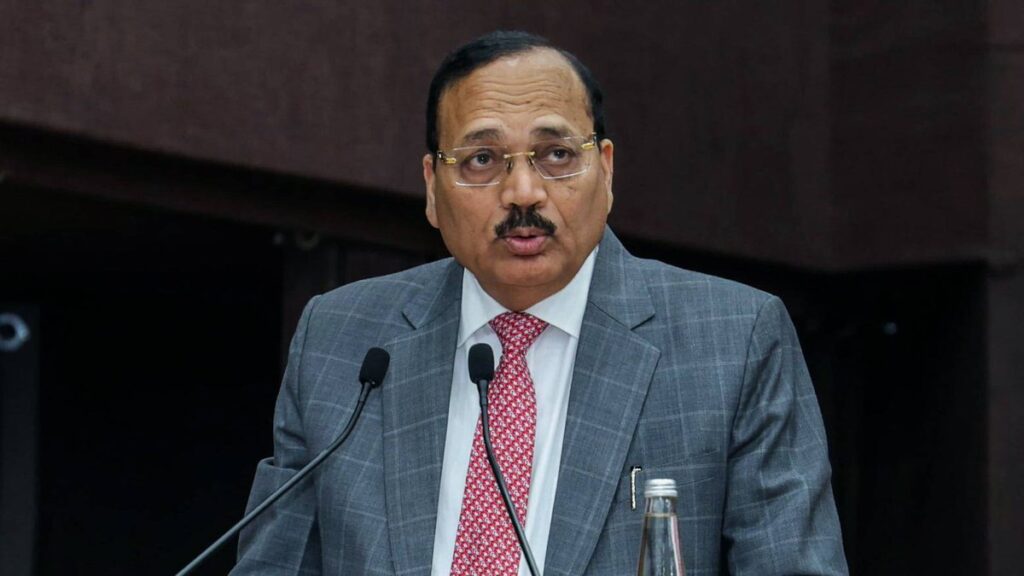
The Chief Justice of India, Surya Kant, led the Bench that heard the request. During the proceedings, the petitioner’s counsel argued that the students were raising significant issues, such as the NEET-UG 2026 paper leak and the need for reforms in the National Testing Agency (NTA). The plea emphasized the students’ right to protest for public welfare.
However, the Chief Justice’s response was terse. He stated, “Don’t waste our time, and don’t waste your time,” indicating that the court did not see the urgency in the matter. The refusal to entertain the request for an urgent hearing highlighted the court’s prioritization of its current case load.
The lawyer argued the importance of the protest by referencing videos that purportedly showed police excesses against the students. Nevertheless, the Chief Justice dismissed the relevance of the videos, saying, “We are not interested in videos; we don’t have time to watch.” This response illustrated the court’s strict approach to the procedural aspects of the case.
This incident occurred shortly after the Delhi High Court reached a similar conclusion, refusing to rush a hearing related to the police’s actions during the protests. The CJP’s protests intensified following allegations of excessive police force, leading to numerous detentions.
The protests mainly call for the resignation of Union Education Minister Dharmendra Pradhan and substantial reforms in the examination processes administered by the NTA. Protesters are particularly concerned about transparency and accountability surrounding the NEET examination system, which forms a crucial pathway for students aspiring to enter medical colleges.
The Supreme Court’s decision to not expedite the hearing does not address the validity of the claims presented in the petition. It solely reflects the court’s decision-making on the urgency of the case. This brings into focus how the judiciary evaluates urgent matters, especially those involving public sentiment, right to protest, and issues related to governance.
While the Supreme Court remains a pivotal institution in assessing student rights and administrative accountability, the current situation raises questions about access to justice in urgent matters. The developing narrative around student protests and police engagement reflects broader societal tensions surrounding education and governance in India.
As protests continue, many anticipate that alternative avenues will emerge for the students and their advocates to address grievances. The NEET-UG exam process remains a topic of critical discussion, influencing student populations across the nation.